How I Combined ELA and Social Studies Without Adding More to My Plate
If you teach ELA and Social Studies in grades 3 to 5, as I do, you don’t always need to plan them as two completely separate subjects.
One of the best things I did in my classroom was to combine ELA and Social Studies through one research and writing project.
My students researched important historical figures during Social Studies and then used that research during ELA to write evidence-based arguments.
It saved us planning time, gave students more time with the same content, and helped them understand why reading, research, writing, and history actually belong together.
Writing Research Project: Black History Month & MLK
We combined English Language Arts (ELA) with Social Studies to save time and reduce planning. It also helped students see how reading, writing, research, and history can work together instead of feeling like separate subjects.
We used Black History Month as the foundation for the research project. Teaching the importance of the month was an important part of the work. In January, our study of Martin Luther King Jr. (MLK) gave students the background they needed before starting their research.
From there, students began choosing historical figures based on what they learned about MLK’s impact and the role these figures played in creating a safer, more tolerant society.

As students conducted their research, they focused on individuals who had positively influenced our culture and created meaningful change, rather than simply choosing figures based on personal preference. Each student selected a historical figure and prepared to conduct research in Social Studies.
How to Combine ELA and Social Studies Lessons in Grades 3–5
Students began their research during Social Studies, which gave them a daily 40-minute block to focus on their work. That dedicated time helped them stay focused and build the background knowledge they needed before moving into argumentative writing.
Because they had already done the research, students were better prepared to find reasons and evidence to support strong claims. One of the most important parts of argumentative writing, especially when it is connected to Social Studies, is teaching students how to support their claims with historical facts.
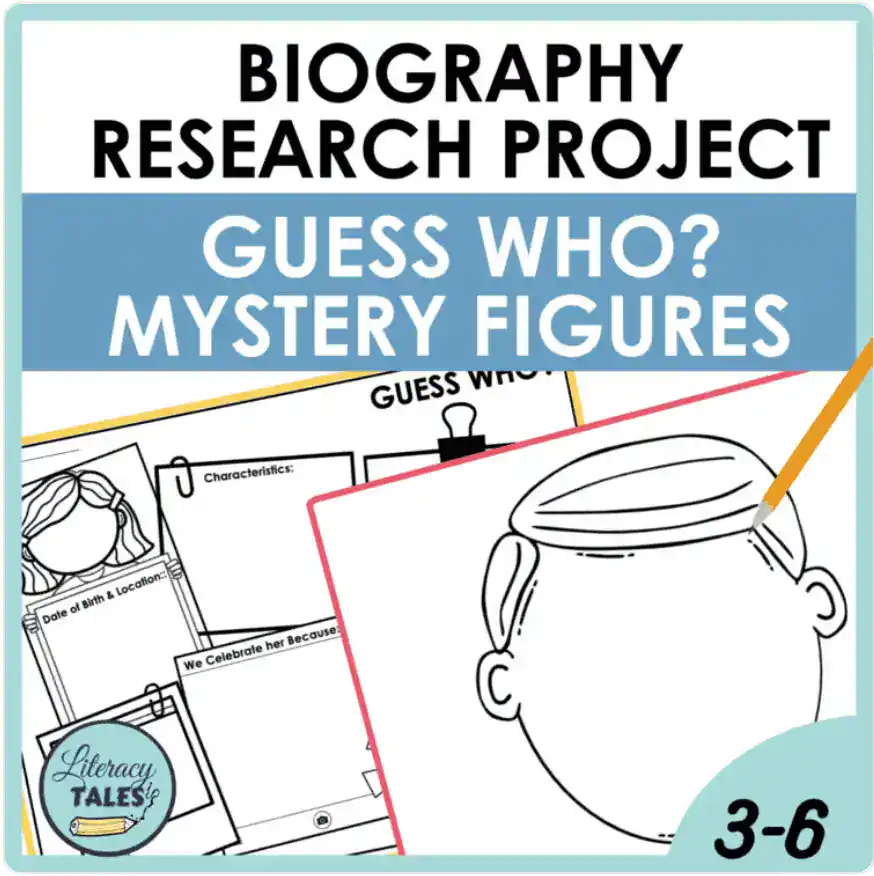
This is the kind of argumentative writing support I use when students need more practice with claims, reasons, and evidence before they begin drafting.

Our Social Studies teacher made sure students were not just writing opinions about their chosen historical figure. They were learning to defend their stance using objective historical evidence.
The Power of Connecting ELA and Social Studies
Students became more engaged because they no longer treated research and writing as two separate assignments. They started to see how one skill supported the other.
History was no longer just about memorizing dates and facts, and writing was no longer just about filling a page. The work felt more connected and meaningful.
When students researched their historical figures, they did not simply record dates and events. They looked for evidence and real moments that showed why their chosen figures were influential.
You can also bring cultural diversity into ELA and Social Studies by using texts and topics that help students connect literacy skills with history and real-world perspectives.
READ THE BLOG ABOUT Bringing Cultural Diversity into the Classroom AND COMBINE ELA & SOCIAL STUDIES + SEL.
Why You Should Try This in Your Classroom
I can’t recommend it enough if you haven’t tried combining writing with history, or even another subject. It changed the way my students approached both research and writing.
And let’s be honest, as teachers, we are always looking for ways to make learning more meaningful without adding more to our plates. This is one of those ways.
Choose a Topic That Fits Naturally Into Both Subjects and Break It Down
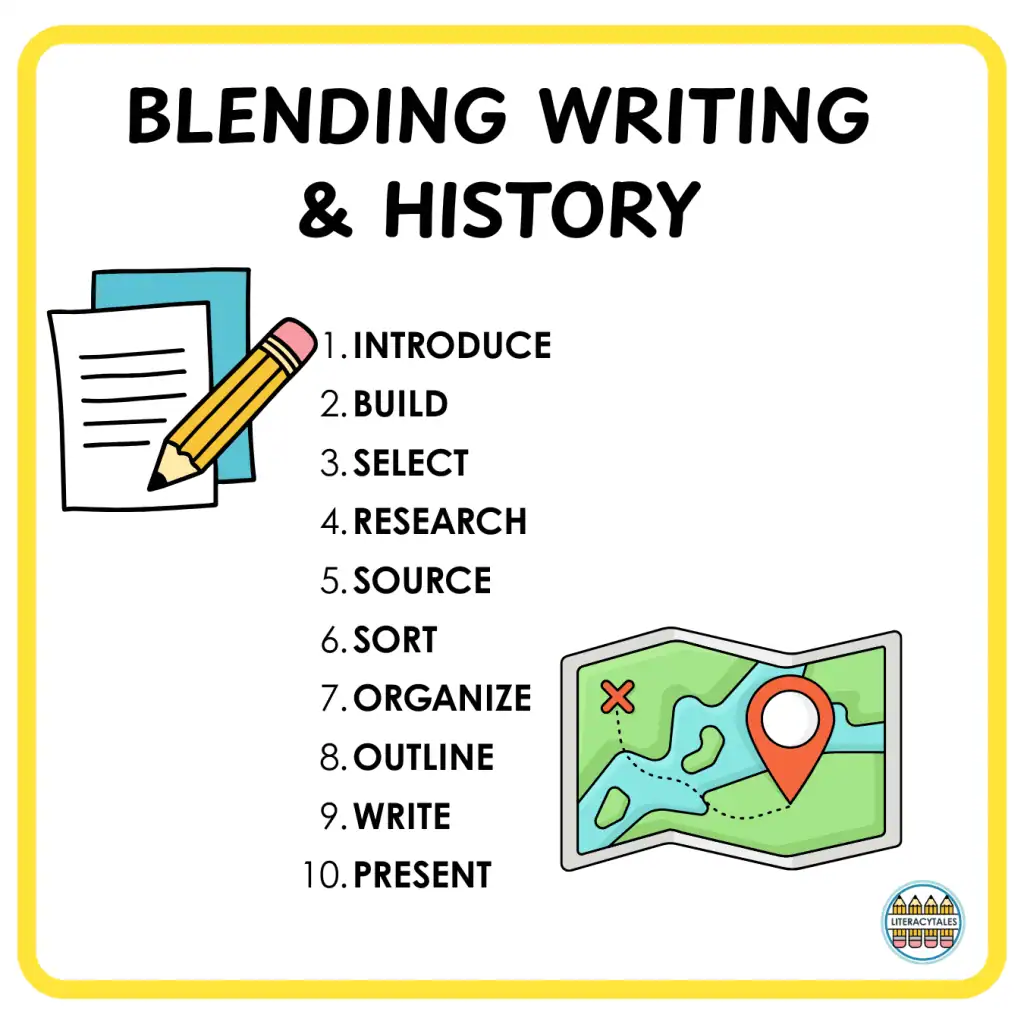
Day 1–2: Introduce historical figures and have students choose one.
Day 3–4: Teach students how to find credible sources, such as books, articles, and primary sources.
Day 5: Help students sort their information into reasons and evidence. Many students get confused by the difference, so I spent a full day teaching it and had them organize their notes into two columns.
Day 6: Help students organize their research into key points, such as life, impact, and lasting influence.
Day 7–8: Start turning their notes into an argumentative outline.
Day 9–10: Focus on writing and revising the essay.
Final Step: Have students present their arguments in class.
What I Learned From This Project
By blending ELA and Social Studies, students did more than learn about historical figures. They analyzed their impact, formed opinions, and built arguments about why those figures were influential.
I can’t recommend this kind of interdisciplinary project enough. It changed the way my students engaged with both writing and history. It also helped students see how reading, writing, research, and history can all work together instead of feeling like separate subjects.
And honestly, it made learning feel more natural because, in real life, subjects do not exist in separate boxes.
One of my favorite moments was watching them passionately present their historical figures. They even started debating with each other: “No, my person had a bigger impact because…” or “Well, actually, mine changed history by…” That kind of learning sticks.

FAQ About Combining ELA and Social Studies
How can I combine ELA and Social Studies?
Choose a topic that naturally fits both subjects, then connect reading, research, writing, and discussion around the same content.
What skills can students practice in both subjects?
Students can practice research, reading comprehension, citing evidence, argumentative writing, and critical thinking.
Does combining ELA and Social Studies save planning time?
It can. When both subjects work around the same topic, you can reduce duplicate planning and help students make stronger connections.
What grade levels work well for this approach?
This type of project works especially well in grades 3–5 because students are building stronger research, writing, and evidence-based thinking skills.
M. Tehfe | Fifth-Grade ELA and Social Studies Teacher
This post may contain affiliate links. All opinions are 100% mine, and I don’t work with any product or company I don’t use and love.