10 Essential Back-to-School Reading Activities for Teachers: Start the Year Strong!
What reading activities should I do during the first week of school?
During the first week, I focus on simple reading activities that help me teach routines and see what students can already do. We practice independent reading, learn how the reading block works, and begin using a few comprehension strategies together.
We practice independent reading, learn our reading routines, talk about how to choose books, and begin using reading strategies together. This gives students time to settle in while I can start seeing who my readers are and what support they may need.
The week before school starts is its own kind of chaos.
You’ve got a classroom to set up, a roster you’re still learning, and about a hundred decisions to make before your students walk through the door. And somewhere in all of that, you’re supposed to have a reading block that’s structured, differentiated, and ready to go on day one.
No pressure.
Here’s the thing. I’ve been doing this long enough to know that the teachers who feel calmer during the first week of school aren’t necessarily the ones who worked harder over the summer. They’re the ones who set things up smarter.
A few decisions made ahead of time can mean the difference between a reading block that runs smoothly and one that has you scrambling every morning.
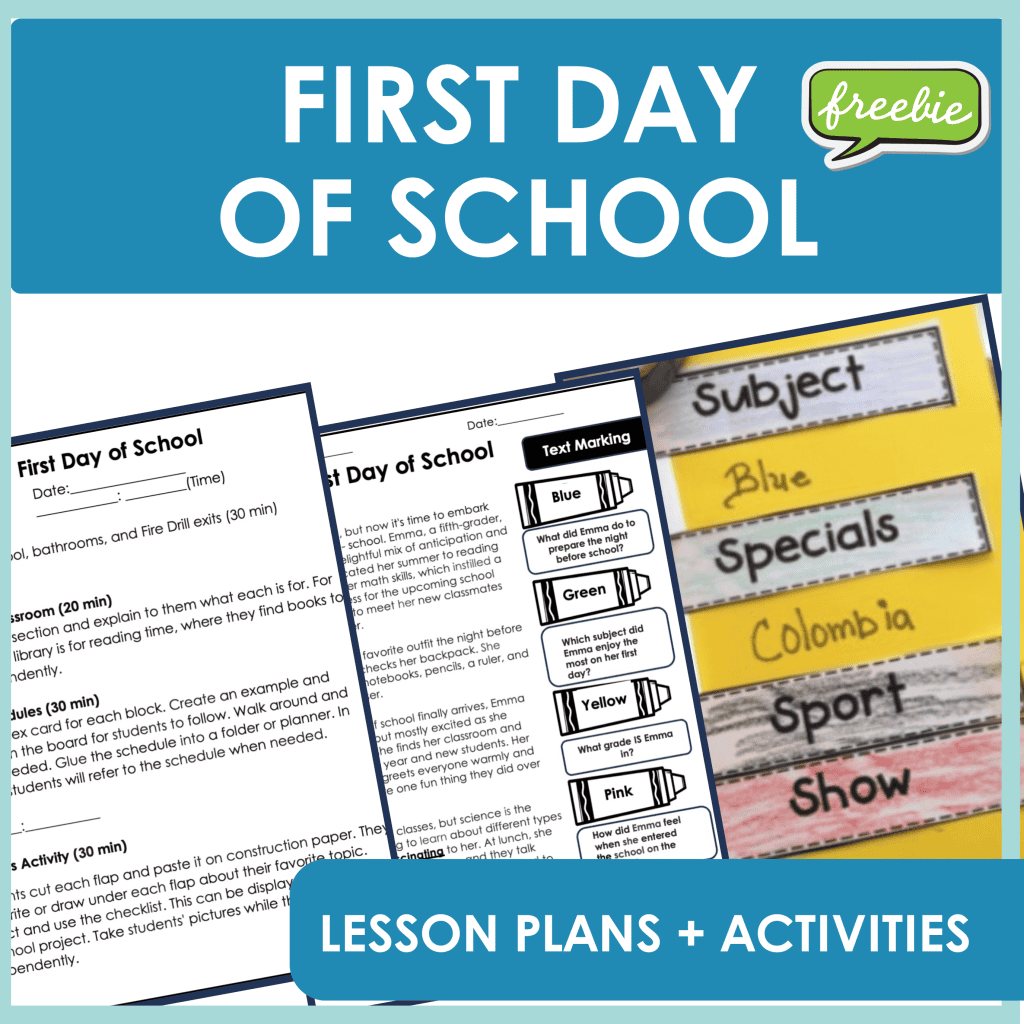
Before we get into it, grab the Back-to-School First Day Freebie. It’s free, ready to print, and gives you one less thing to prep right now.
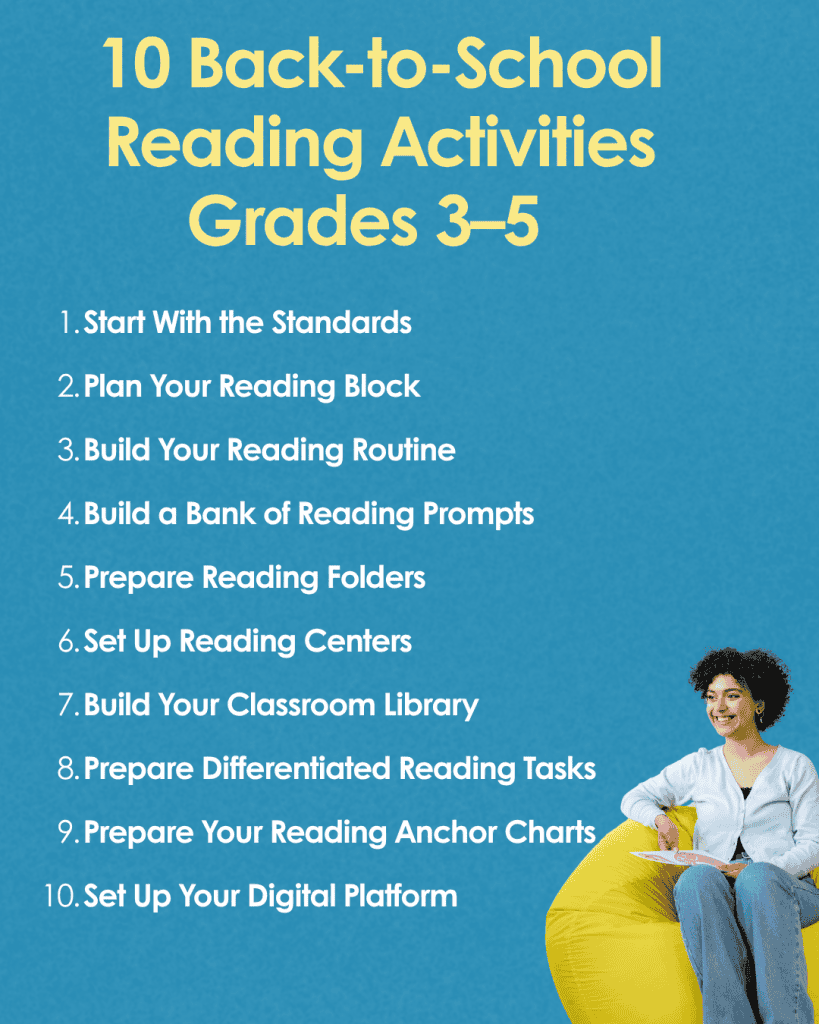
1. Start With the Standards
I know this sounds obvious, but there’s a difference between knowing your standards and actually planning from them.
Before I write a single lesson, I sit down with my grade-level CCSS reading standards, both RL and RI, and ask myself: What does mastery actually look like for my students?
For grades 3–5, that means getting specific. Not just, “Students will identify the main idea,” but what text, what task and waht evidence will show methey actually undersatnd it?
2. Plan Your Reading Block Before Individual Lessons
Most teachers jump straight into planning lessons. But if you don’t know what your reading block should look like on a regular Tuesday in October, you’ll end up rebuilding the structure every week.
Map out the block first. How long do you have? Will you start with whole group and move into small groups? Will students rotate through centers, read independently, or meet with you for conferring?
Once the structure is in place, planning the actual lessons becomes much easier because you’re filling in a routine that already works.
3. Build Your Reading Routine and Teach It Explicitly
Your students can’t follow a routine they haven’t practiced.
The first week of school isn’t wasted instructional time. It’s when I teach students how our reading block actually works. I model each part of the routine, we practice it together, I give feedback, and then we do it again.
That includes the little things that can completely derail a reading block later. Where do students get their materials? What should independent reading look and sound like? What do they do when they finish early? What happens when they need help? How do we transition from whole group to centers or small groups?
I would rather spend extra time teaching those expectations during the first week than spend the next several months stopping instruction to reteach them.
Once students know what to do and where to go, they can work more independently, and I can actually focus on teaching.
Want to see how I put all of this together? In this video, I walk through how I plan a reading unit, build a weekly rhythm, and batch materials so I’m not starting from scratch every week.
4. Build a Bank of Reading Prompts:
Before school starts, I create a small bank of reading prompts for the standards I know I’ll teach again and again. I usually aim for at least five prompts per standard.
That way, when I’m planning later in the week, I’m not starting from scratch. I already have questions I can use with different texts, small groups, centers, or written responses.
For example, when working on CCSS.ELA-LITERACY.RL.3.1, students need to ask and answer questions about a text and refer explicitly to the text when explaining their answers.
Prompts might include:
What details from the text support your answer?
What question can you ask about this part of the text?
What evidence from the text helps you answer that question?
Which part of the text would you reread to find the answer?
What question do you still have about the character or event?
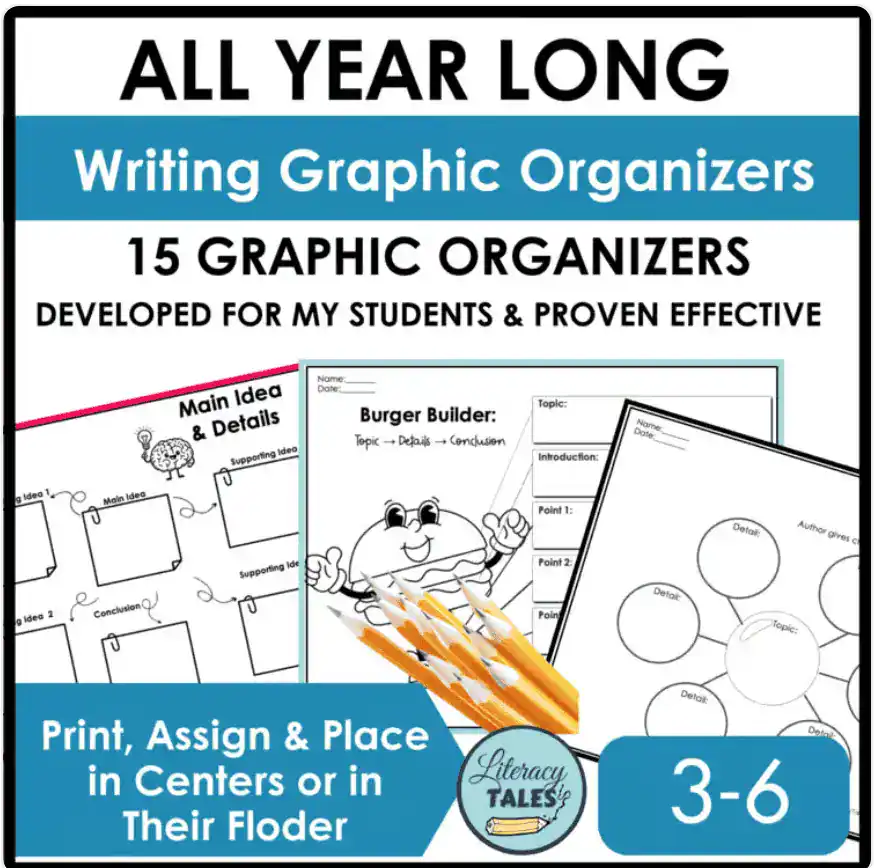
Pairing these prompts with a graphic organizer gives you a repeatable system you can use throughout the year.

5. Prepare Reading Folders Before School Starts
This is one of the things I do every August without fail. I prepare a reading folder for each student with the materials I know they’ll use again and again.
I usually include individual anchor charts for the first skills we’ll teach, a reading log, a rubric or two, and simple directions for independent reading work.
When students have everything they need in one place, they spend less time asking, “What do I do?” and more time actually reading and working independently.
I also like to keep a few reusable activities in their folders for independent practice. Reading Bingo boards work well for this because students can practice skills like text evidence, comprehension, and standards review without needing a brand-new worksheet every time.
6. Set Up Reading Centers Before Students Arrive
Before school starts, make a list of the reading centers you want to use during the first few weeks. Label your tubs, organize the materials, and stock each center with a few activities students can use independently.
That might include reading Bingo, spelling sorts, vocabulary practice, task cards, writing prompts, or comprehension activities that match the skills you’re teaching.
You do not need to prepare centers for the entire year before day one. Start with enough for the first few weeks, then rotate materials as your units and skills change.
The goal is to create centers that are easy for students to understand and easy for you to maintain. The less time you spend rebuilding them every week, the more useful they become.
Need more ideas for those first few weeks? Read: First Week of School: Build a Strong Start With Low-Prep Resources & Activities
7. Start Building Your Classroom Library Early
One of my favorite things I’ve done with my 5th graders is have them organize the classroom library for the incoming class at the end of the school year.
They sort the books, help organize the shelves, leave little notes inside the covers, and write advice for the next group of readers. By the time summer starts, the library is already organized, and my current students get to leave something behind for the next class.
If you’re building your classroom library from scratch, start simple. Make sure you have books at a range of reading levels, organize them in a way students can understand, and label your shelves clearly.
Your students should be able to walk over, find a book that works for them, and return it without needing you every time.
The easier your classroom library is to use independently, the more likely students are to actually use it.
PREPARE FOR THE FIRST WEEK OF SCHOOL: TEACHERS TO DO A CHECKLIST
8. Prepare Differentiated Reading Tasks
Your class will have readers working at different levels, so it helps to plan for that from the start instead of scrambling to catch up in October.
A few differentiated options to have ready:
- Reading passages on the same topic at different levels
- Graphic organizers to help students organize and visualize information
- Vocabulary support, such as word banks or context clue practice
- Text annotation tools to guide active reading
- Different response options, such as written responses, sentence starters, or short constructed responses
You do not need five versions of every activity. Sometimes two versions of the same task, or one version with and without sentence starters, is enough to give students the support they need without creating twice the work for you.
9. Prepare Your Reading Anchor Charts Ahead of Time
I’m not saying you need to spend your summer hand-lettering an entire gallery wall. But having anchor charts ready for the main reading skills and standards you know you’ll teach can save you from scrambling in the middle of a lesson.
I like to prepare charts for skills we come back to throughout the year, like main idea, theme, inference, text evidence, point of view, and summarizing. Then, when we’re ready to teach the skill, I already have something students can refer to during whole-group lessons, small groups, and independent work.
One summer, I even had my nephew and niece help me color and design a set. They thought it was fun. I thought it was brilliant. Win-win.
Check out these Writing Graphic Organizers
10. Set Up Your Digital Reading Platform Before School Starts
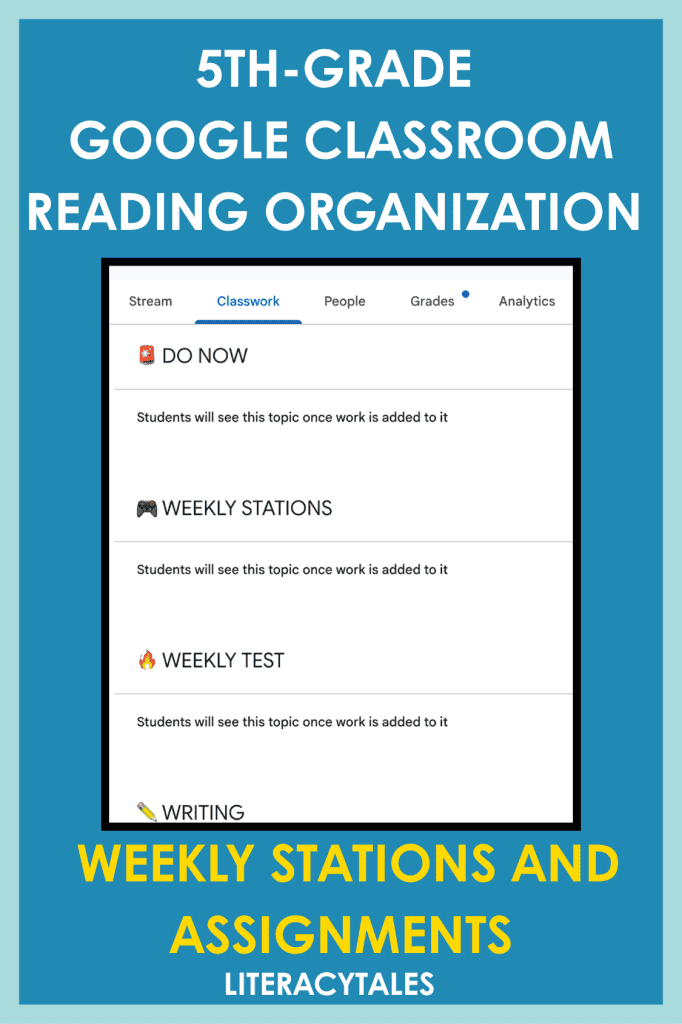
Whatever digital platform you use, Google Classroom, or another tool, set up the basics before students log in for the first time.
Create your folders, post your first reading activity, organize the links students will need, and make sure your directions are easy to find. If students will use the platform regularly during your reading block, I also like to post the routine or expectations somewhere they can refer back to.
Digital confusion during the first week can eat up so much instructional time. A little setup ahead of time means less time explaining where to click and more time actually reading.
Ready to Grab the Freebie?
If you want your first-day reading activity ready to print and go, grab the Back-to-School First Day Freebie. It’s completely free, and no email is required.
Want More Ready-to-Go Reading Resources?
If you want your back-to-school reading block planned with less prep, I put together a bundle with reading activities, graphic organizers, and resources you can use during the first weeks of school.
Grab the Back-to-School Reading Bundle
FAQ
What are the best back-to-school reading activities for grades 3–5? Start with reading routines, comprehension practice, independent reading, reading centers, and simple activities that help you see what students can do.
What should I teach during the first week of reading? Focus on reading expectations, classroom routines, independent reading, and a few key comprehension skills before moving into heavier instruction.
How can I differentiate reading activities for 3rd, 4th, and 5th grade? Use leveled texts, graphic organizers, vocabulary support, sentence starters, and different response options while keeping the same reading skill.
How should I organize my reading block at the beginning of the school year? Plan the routine first, then add whole-group lessons, small groups, reading centers, independent reading, and digital activities.
Tehfe | Fifth-Grade ELA and Social Studies Teacher
Creator of LiteracyTales
This post may contain affiliate links. All opinions are always 100% mine, and I don’t work with any product or company I don’t use and love.