3 Things I Stopped Doing as a Teacher to Avoid Teacher Burnout!
Are you a teacher drowning in grading papers and feeling burned out? I was in your shoes, but I decided to stop doing these three things to save time and recover part of the teacher’s work-life balance.

At the beginning of the school year, I made 3 small changes to my teaching routine to have more time for instruction and lesson planning.
Implementing these 3 steps to save time and create a positive classroom environment improved my students’ achievement and freed up time to target their needs.
The Outcomes!
Students were more engaged; our classroom was a place of busy bees learning throughout the day.
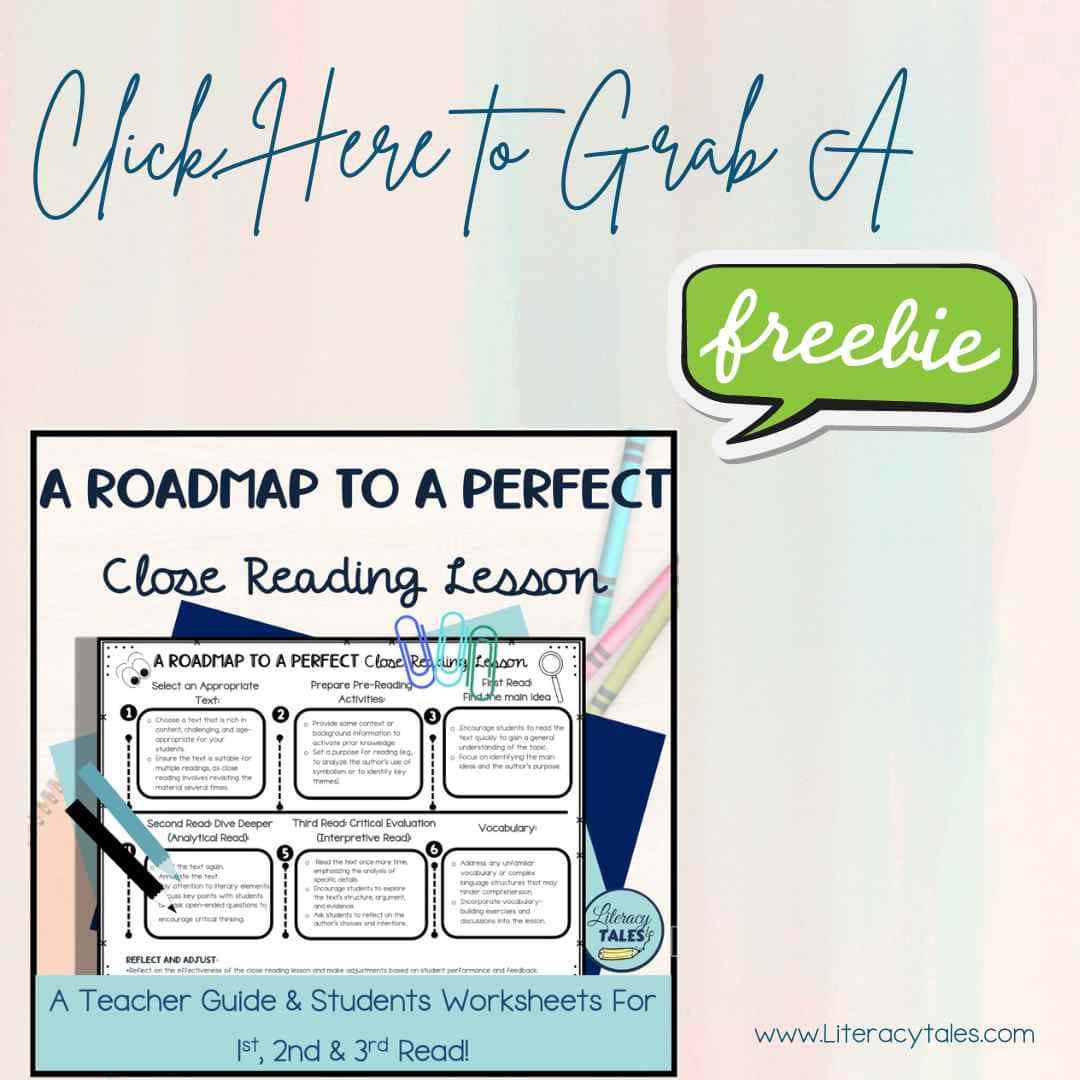
Grab a Close Reading Roadmap Freebie!
The 3 Things I Stopped Doing:
1. Reduced Teacher Grading Workload:
For many years, I found myself spending countless hours grading.
This year, I focused on providing more one-on-one meeting opportunities rather than grading every single activity or worksheet.
Students’ Academic Achievements:
By not grading every paper, I spent more time giving one-on-one conferences and helping students understand their strengths and areas for improvement.
We worked together to tackle challenges in reading and writing, creating strategies and implementing them to help them achieve their goals in small groups and one-on-one sessions.
The Outcomes:
Less Stress for both students and me.
Students were more willing to try the new strategies introduced to them during our mini-lesson without fear that every assignment would affect their overall grades, and I had less paper to grade.
2. I Said Goodbye to Traditional Homework:
Homework has always been part of education, but I decided to replace it with new assignments to reinforce learning outside the classroom.
I started assigning reflections on movies or songs of their choice and making sure they were age-appropriate.
The Outcomes:
Less Teacher’s Burnout!
Studenst were excited about their daily assignments and how they loved each project. This allowed them to explore topics they were passionate about and get creative with their ideas and learning.
Are you looking to implement close reading?
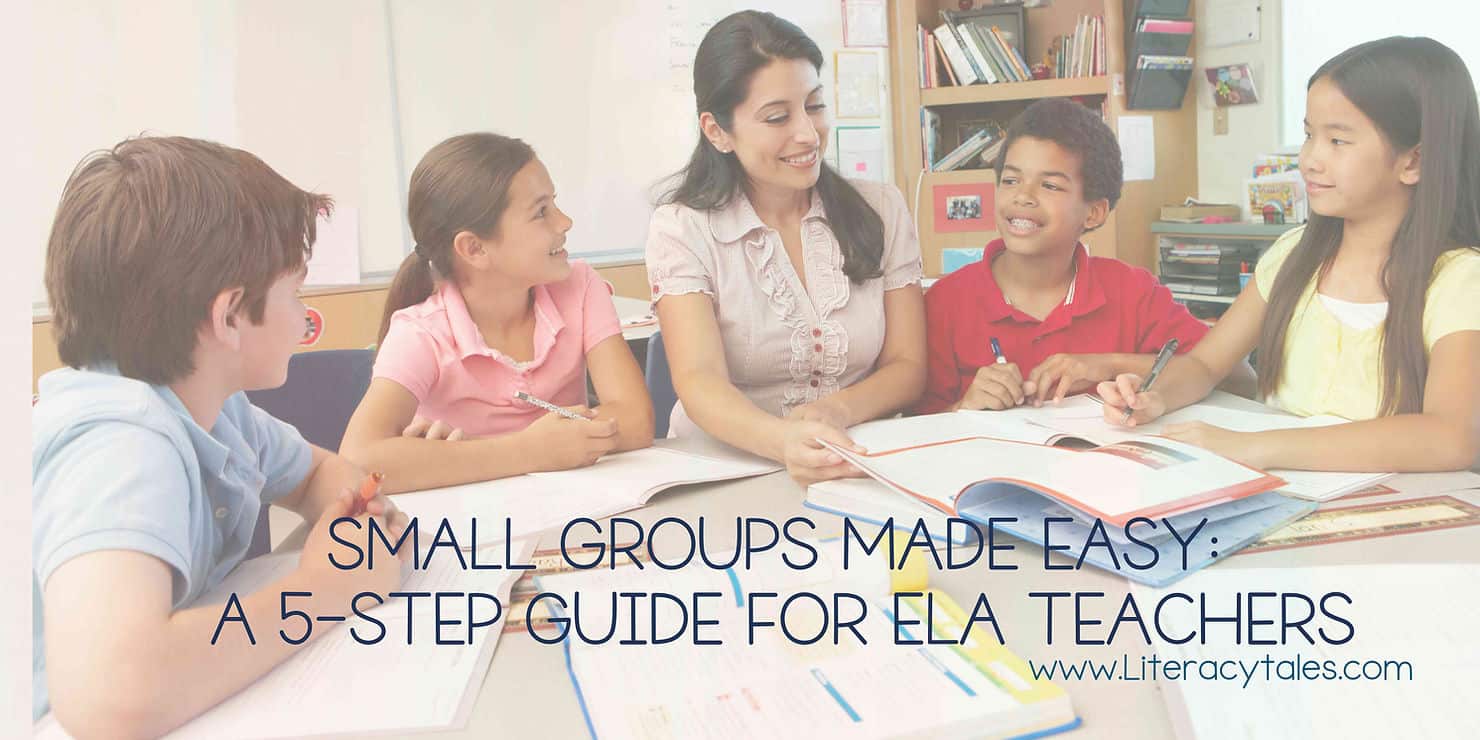
Read this post about how to Implement Small Groups in 5 Simple Steps.
3. Created a Positive Classroom Environment:
I moved away from whole-group instruction and focused more on 10-minute or shorter mini-lessons, small groups, and one-on-one conferences.
This allowed me to plan and prepare lessons using data to target specific skills and student needs, resulting in increased student engagement, participation, and performance.
The Outcomes:
A stronger sense of classroom community:
Working in small groups built a strong sense of community and collaboration among students in literacy centers.
These changes have transformed my classroom into a safe and supportive learning environment.
By stopping these three practices, I’ve been able to focus more on what truly matters:
- Fostering a love of learning.
- Meeting individual student needs.
- Maintaining a healthy work-life balance for everyone involved.
These changes not only made my classroom a place of opportunity but also gave students the chance to explore, set goals, try new strategies, and celebrate their small wins.
Are you looking to implement close reading?
Grab this freebie, which I created just for new and veteran teachers to help them avoid teacher burnout.
Literacy Tales | 5th Grade Teacher
This post may contain affiliate links. All opinions are always 100% mine, and I don’t work with any product or company I don’t use and love.
M.Tehfe